
Pet Toys
CATALOG
Dog Toys Built to Survive Being Chewed
Every other plush product on this site is designed to be cuddled. A dog toy is designed to be attacked. It gets bitten, shaken, dragged across concrete and pulled at from both ends, often within the first hour. That single difference changes the fabric, the seam construction, the filling and the way squeakers are fitted.
Most plush factories treat pet toys as ordinary soft toys with a squeaker pushed inside. They fail quickly, and the returns land on the buyer rather than on the factory. We build them as a separate product category with construction chosen for chewing, which is why our best selling line uses knotted corduroy limbs rather than conventional stuffed arms.
We produce chew toys, squeaky toys, enrichment puzzle toys, flat no-stuffing toys, novelty food shapes and plush pet beds for pet brands, retailers, subscription boxes and importers. Everything is made in our own factory in China.
Seams built for pulling
Dog toys fail at the seam long before the fabric wears out. Ours are double stitched and reinforced at the stress points, which on a limbed toy means where the limb meets the body.
Squeakers that stay inside
A squeaker a dog can extract is the main safety complaint in this category. Ours are enclosed and secured rather than dropped loose into the filling cavity.
Sized by dog, not by shelf
A toy that suits a terrier is a choking risk for a Great Dane and boring for a Labrador. We produce size ladders so one design covers the whole range.
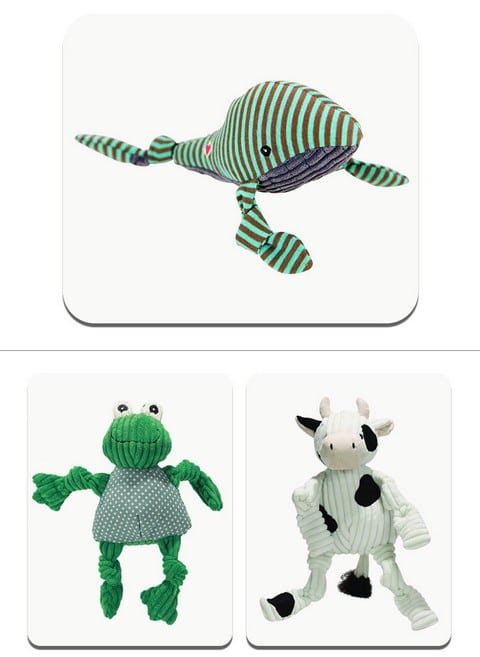
Knotted Corduroy Limbs
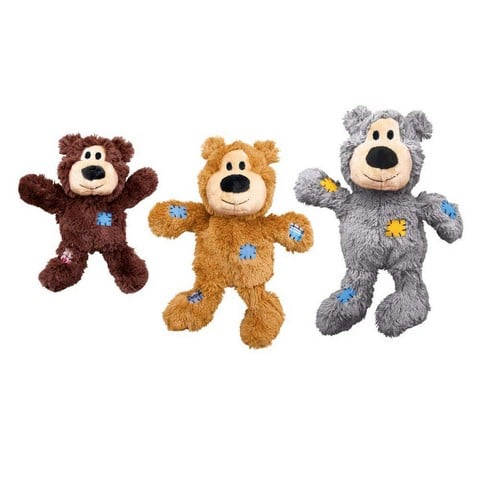
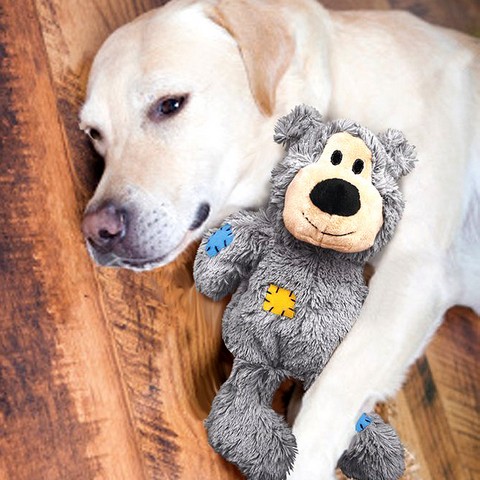
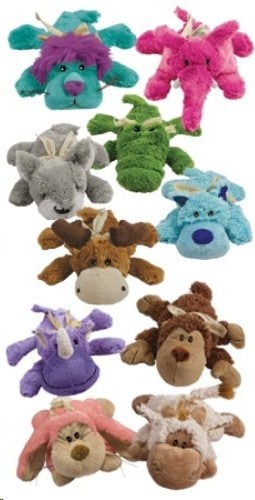
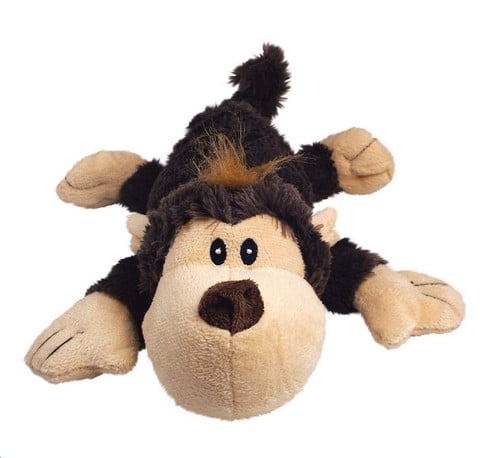
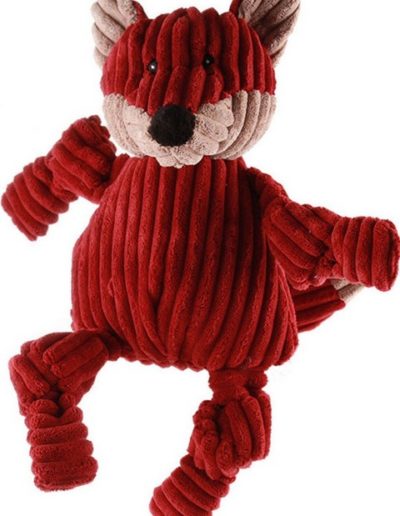
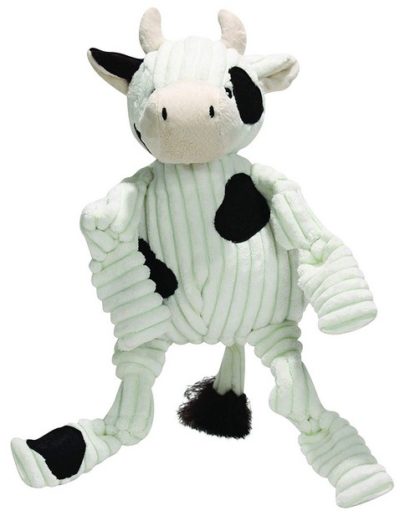
The construction that runs through most of our pet range. Ribbed corduroy body, limbs tied into knots rather than stuffed, and a squeaker enclosed in the body cavity. It looks like a design choice. It is actually an engineering one.


Why knots outperform stuffed limbs
Dogs target the extremities first. A conventional stuffed arm splits at the seam, the filling comes out, and the toy is finished within days. A knotted limb has no seam to split and no loose filling behind it, so the same amount of chewing produces a frayed knot rather than a destroyed toy.
- Ribbed corduroy grips the teeth, which dogs find more satisfying than smooth plush
- No filling in the limbs means nothing to swallow if a limb is breached
- The knot gives a dog something to work at, extending play time considerably
- One body pattern carries dozens of characters, which keeps development cost low across a range
That last point matters commercially. Once the base construction is approved, adding a new character to your range is largely a matter of colour and head shape rather than a full development cycle.
Pet Toys We Have Produced
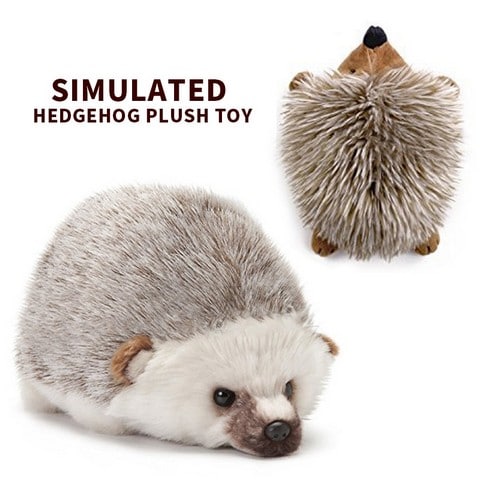
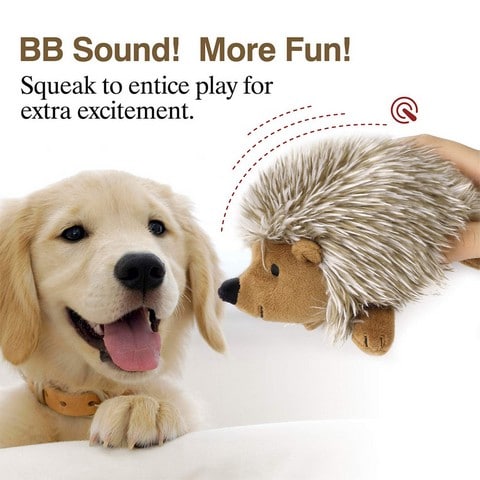
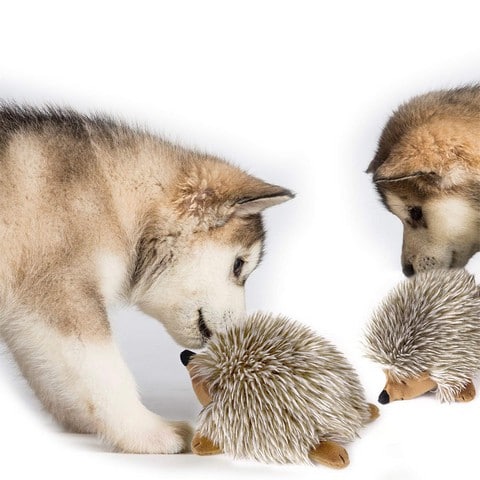
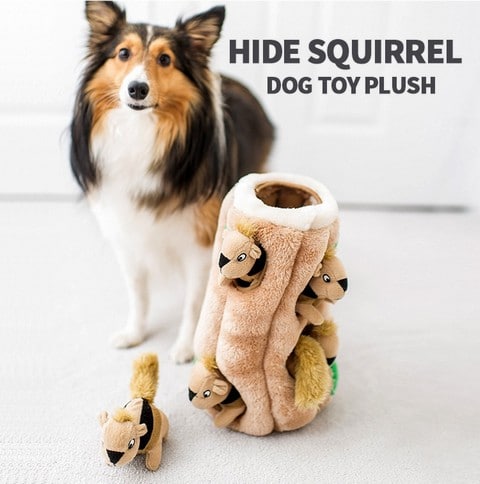
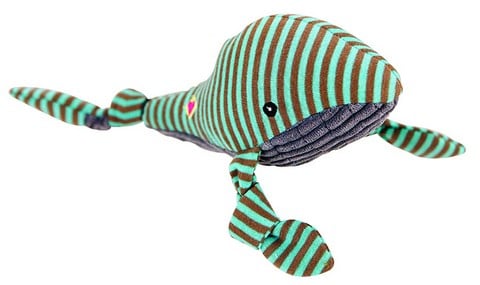
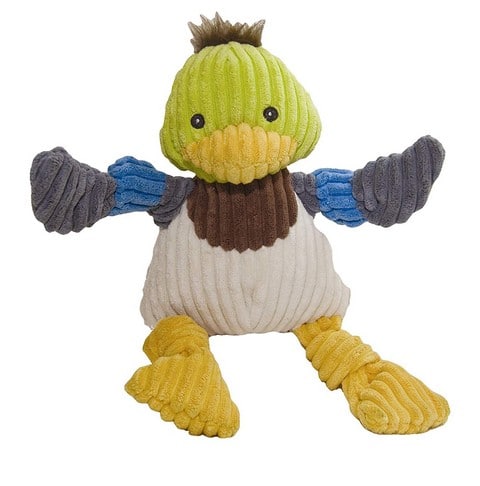
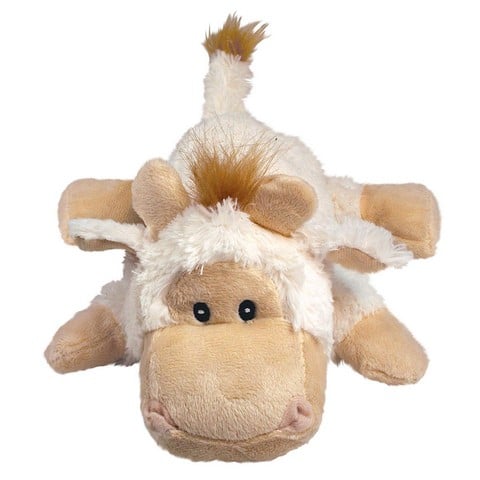
Chew toys, squeaky toys, enrichment puzzles, flat toys, novelty shapes and pet beds from past production runs. Click any image to view it full size.
-
-
-
-
-
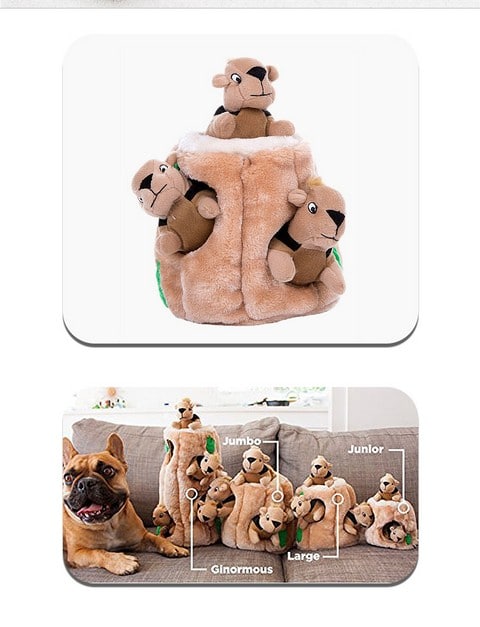
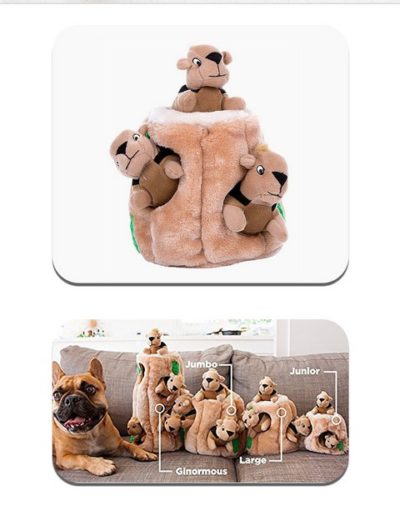 Puzzle Toy Size Ladder
-
-
-
-
-
-
-
-
-
-
-
-
-
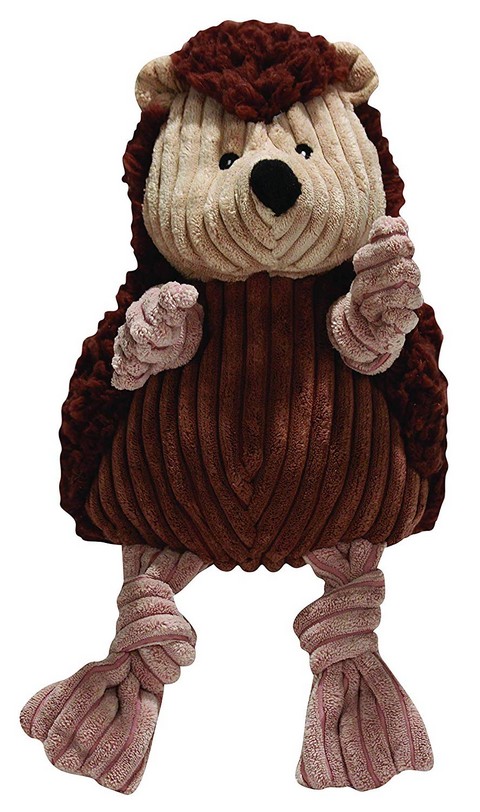
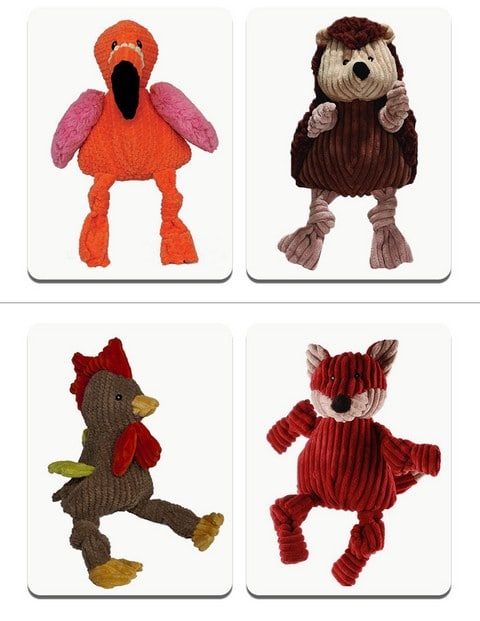
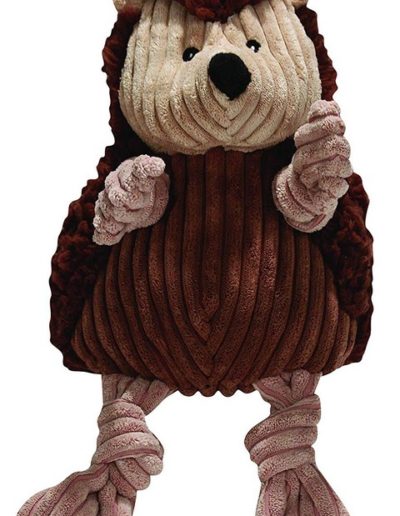 Corduroy Hedgehog
-
-
-
-
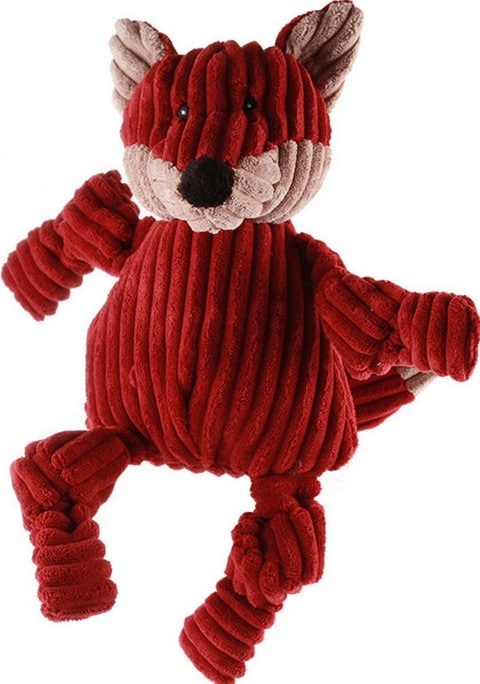
 Corduroy Fox
-
-
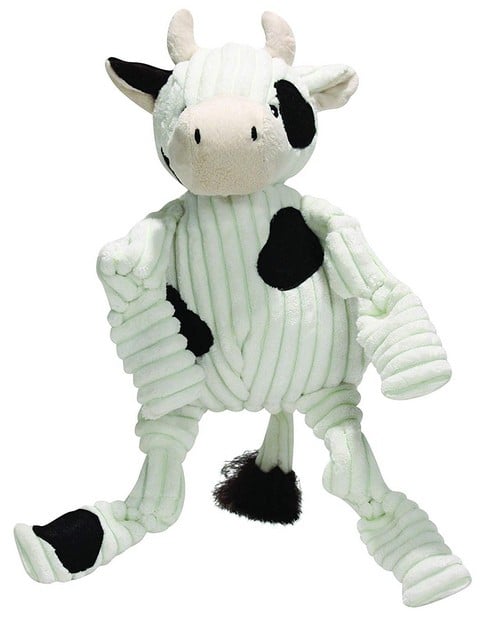
 Corduroy Cow
-
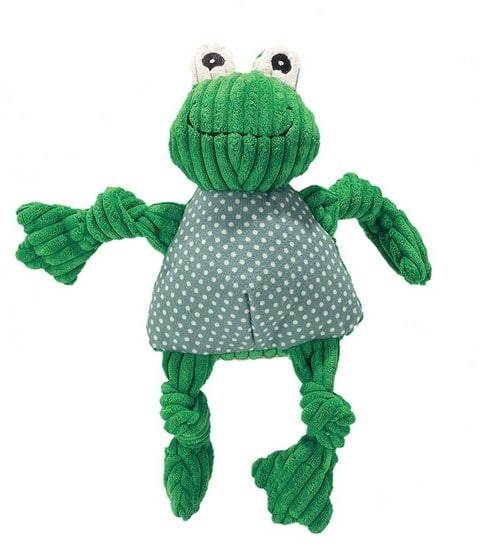
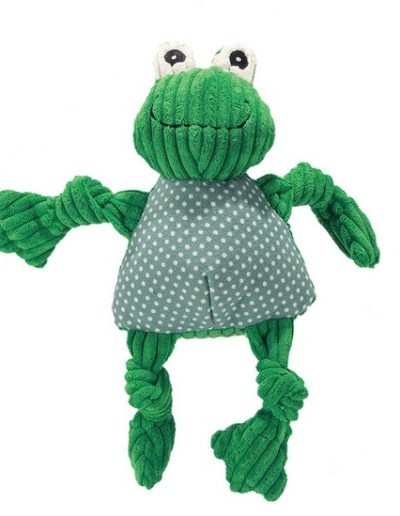 Dressed Corduroy Frog
-
-
-
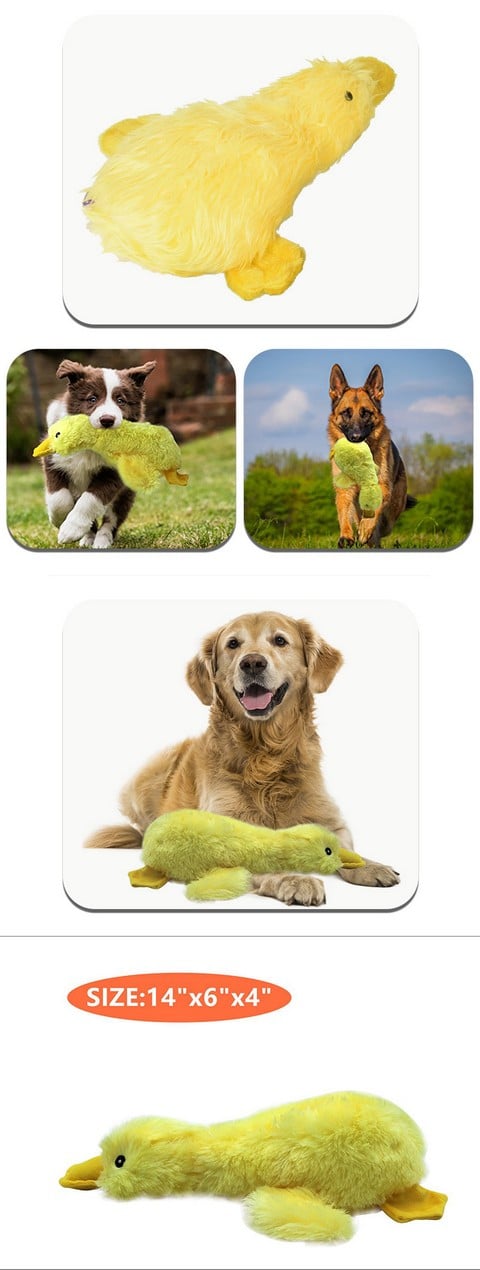
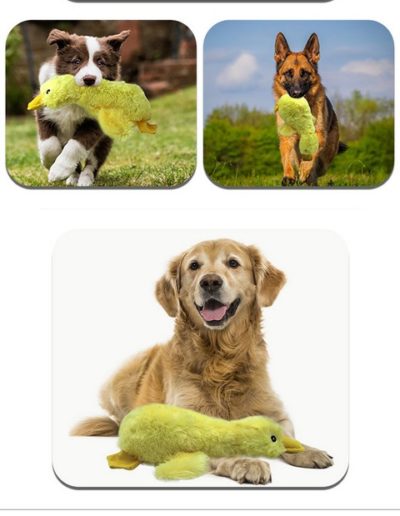 Multi Breed Testing
-
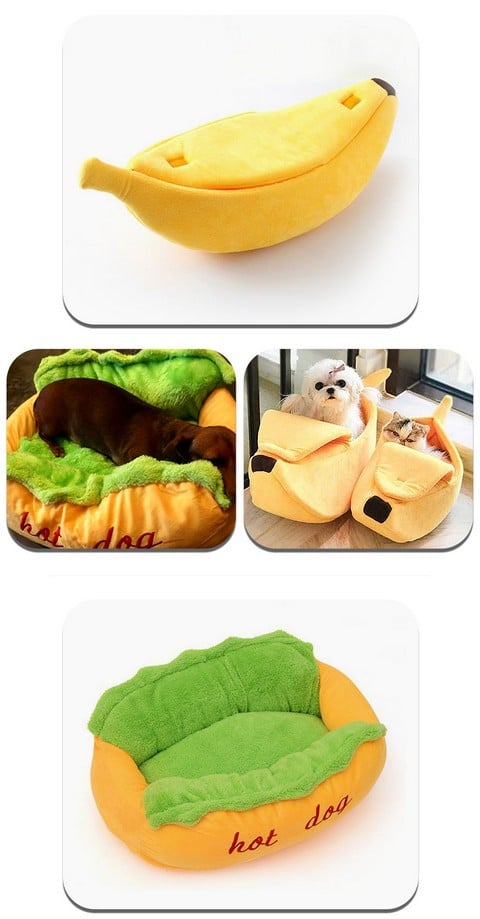
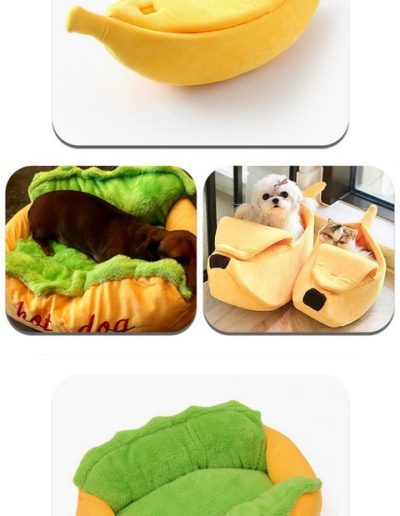 Pet Bed Range
-
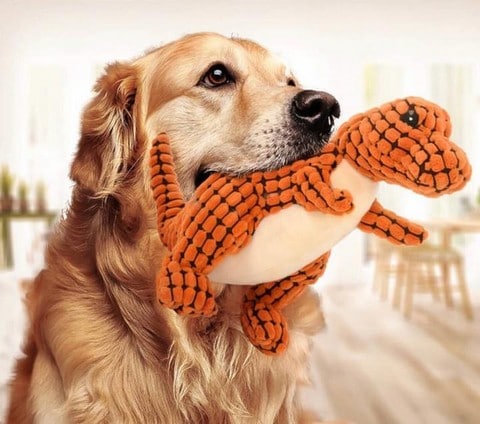
-
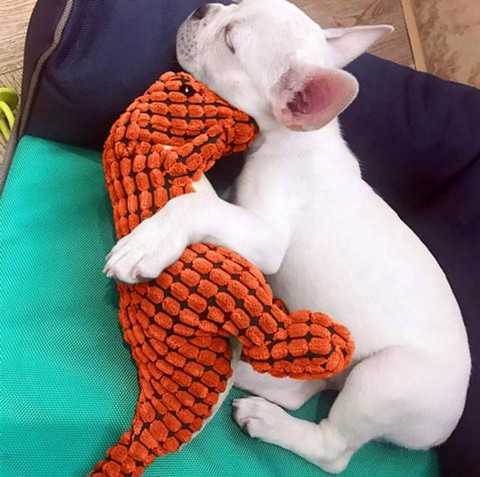
-
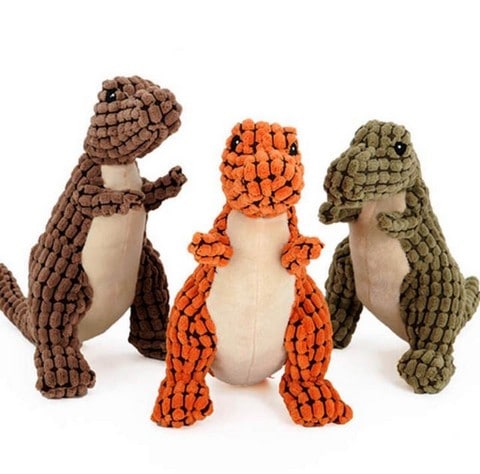
-
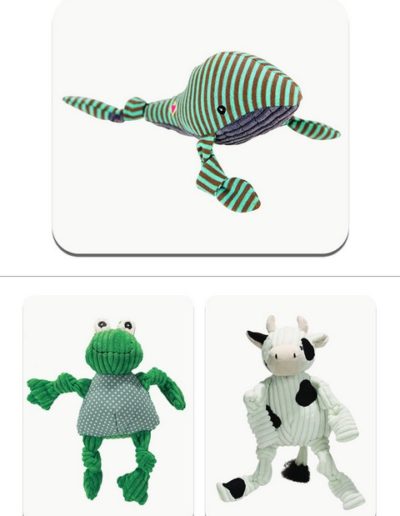 Shared Body Characters
-
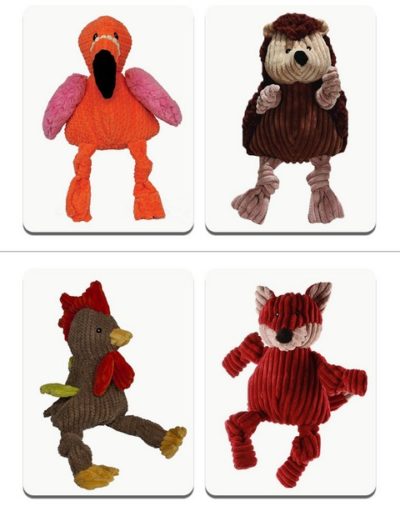 Four Character Set
Seven Product Types We Produce
Pet plush splits into distinct construction types, and mixing them up is the main reason a range underperforms. A toy built for chewing is not built for enrichment, and neither is built for sleeping in.
Corduroy Chew Toys
Our main line. Ribbed corduroy body with knotted limbs and an enclosed squeaker. Suits medium and heavy chewers, and one approved base construction carries an entire character range.
Enrichment Puzzle Toys
Hide and seek constructions where small plush pieces sit inside a larger housing for the dog to extract. The fastest growing part of this market, because owners buy them for behaviour rather than for play.
Squeaky Plush Toys
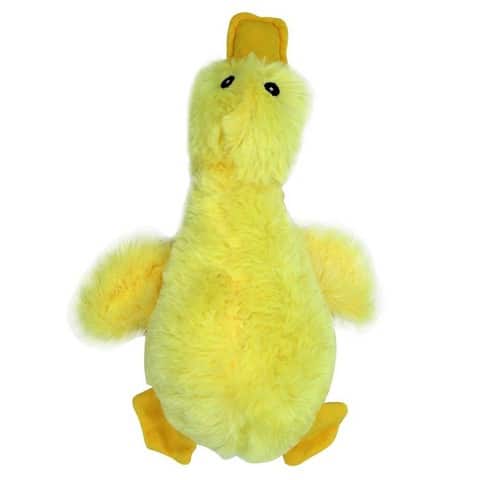
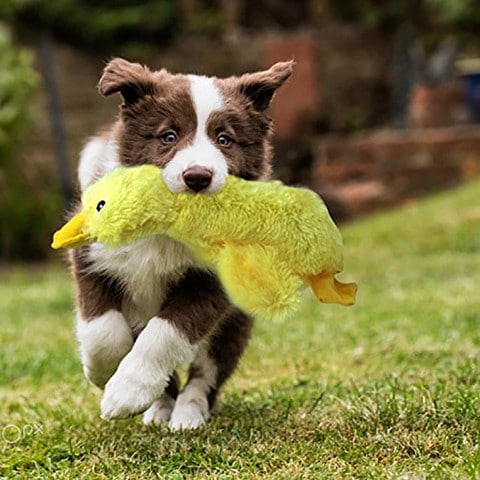
Conventional stuffed toys with an enclosed sound unit. Suited to gentle chewers and puppies. Squeaker security matters more here than anywhere else, since the filling gives access once a seam opens.
Flat No Stuffing Toys
Minimal or zero filling, built to be shaken and dragged. Popular because there is no stuffing to spread across the floor when a dog eventually breaches it, which owners appreciate more than they admit.
Realistic Simulation Toys
Lifelike animal toys with layered texture and detailed shaping. Sit at a higher price point and photograph exceptionally well, which makes them useful as the hero product in a range.
Novelty Food Shapes
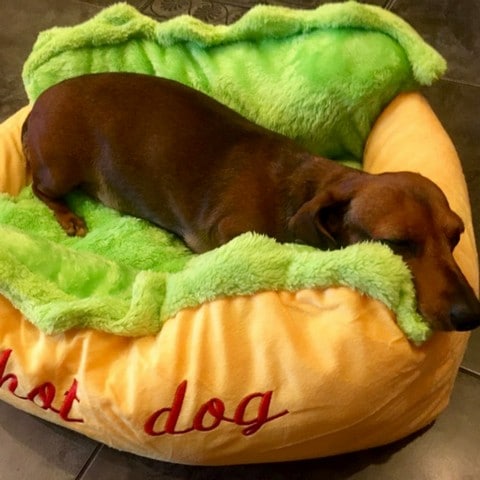
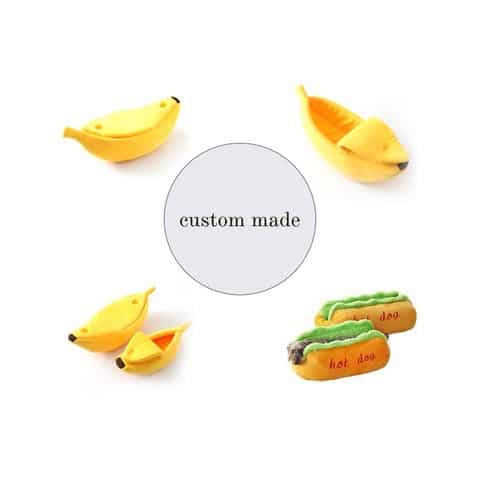
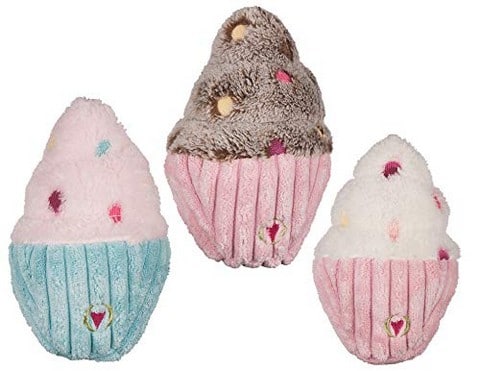
Bananas, hot dogs, cupcakes and similar. Strong social media performers and easy impulse buys, with simpler construction that keeps unit cost low.
Plush Pet Beds
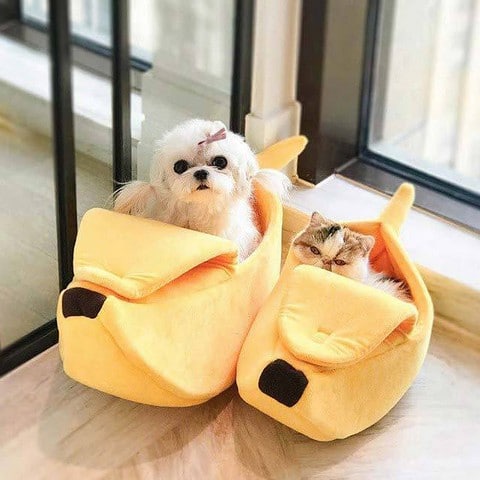
Novelty shaped beds with padded bases and bolstered sides. A different product from toys, with its own filling density, washability and freight considerations, but produced on the same floor.
How a Custom Pet Toy Is Developed
Six stages. Stage two is where pet toys diverge most sharply from ordinary plush production.
Send your brief
A sketch, a photo or a competitor product. Tell us the target dog size, the chew strength you are designing for and the retail price point you need to hit.
Construction decision
Chew, squeak, enrichment or flat. This choice governs fabric, filling and seam design, and changing it after sampling means rebuilding rather than adjusting.
Fabric and hardware
Corduroy weight, plush pile, rope inserts and squeaker type are matched to the construction. Squeaker placement is decided here rather than left to assembly.
Sample and durability check
Sample delivered within 7 working days once sample and shipping payment is received. We recommend you test it with an actual dog before approving, not just inspect it.
Mass production
Seam strength is sampled through the run, squeaker security is checked, and every unit passes a metal detector before packing.
Labelling and dispatch
Hangtags, header cards, barcodes and supervision warnings applied to your market's requirements, then photographed for approval before shipment.
Pet Toy Specifications
Standard options for pet product manufacturing. Anything outside these ranges is usually still possible, so ask rather than assume.
| Item | Options Available |
|---|---|
| Product types | Chew toys, squeaky toys, enrichment puzzles, flat toys, simulation toys, novelty shapes, pet beds |
| Body fabric | Ribbed corduroy, short pile plush, long pile fur, canvas, reinforced woven backing |
| Limb construction | Knotted, rope core, flat unstuffed or conventionally filled |
| Filling | Graded PP cotton, partial fill or no fill depending on construction |
| Sound units | Standard squeaker, multi squeaker, crinkle sheet, or none |
| Seams | Double stitched with reinforcement at limb joints and closure points |
| Size grading | Produced as size ladders so one design covers small through to giant breeds |
| Sample lead time | 7 working days after sample and shipping payment is received |
| Production lead time | Around 30 working days after sample approval and deposit payment |
| Packaging | Hangtags, header cards, barcodes, supervision warnings, custom carton marking |
| Material testing | Chemical safety testing including restricted substances arranged on request |
| Payment terms | T/T only. 30 percent deposit, 70 percent balance before shipment |
Pet Toy Questions
Questions specific to pet product manufacturing. For general manufacturing questions, see the FAQ on our homepage.
How durable are your dog toys really?
Honest answer first: no plush toy is indestructible, and any supplier who tells you otherwise is selling rather than advising. A determined power chewer will get through soft material eventually. What construction changes is how long that takes and what happens when it does.
Our corduroy knotted line lasts considerably longer than conventional stuffed toys because there is no limb seam to split and no filling behind it. If you need something for genuine power chewers, plush is the wrong material category entirely and rubber is the honest recommendation.
Do pet toys need the same certification as children's toys?
No, and this is worth understanding clearly because it is often misrepresented. EN71 and ASTM F963 are children's toy safety standards. They do not apply to pet products, and a supplier claiming an EN71 certificate for a dog toy is either confused or hoping you are.
What does apply is chemical safety. Restricted substances, AZO free dyes and heavy metal limits are all relevant, and many retailers set their own specification on top. We can arrange testing to whatever standard your buyer requires. Tell us the destination market and the retailer at inquiry stage.
How do you stop dogs getting the squeaker out?
The squeaker is enclosed and secured rather than dropped loose into the filling cavity, so a dog that opens a seam does not immediately have access to it.
That said, no fitting survives unlimited chewing, which is why every pet toy should carry a supervision warning on the packaging. We include that as standard and adjust the wording to your market. It protects your customers and it protects you.
Why corduroy rather than ordinary plush?
Two reasons. The ribbed surface grips a dog's teeth in a way smooth plush does not, which dogs find more satisfying and which extends play time. And corduroy has a tighter weave, so it resists tearing better once a dog gets purchase on it.
It also holds a knot properly. A knotted limb in soft plush works loose, while corduroy keeps the shape, which is what makes the whole construction viable.
Can you produce a toy in several sizes?
Yes, and for pet toys it is usually worth doing from the start. A single size limits your addressable market to one segment of dog owner, and retailers frequently want a size ladder rather than one item.
Bear in mind that scaling is not purely proportional. A larger toy needs heavier fabric and stronger seams to survive a bigger dog, so the largest size in a ladder is not simply the smallest one enlarged.
What are enrichment toys and are they worth adding?
Enrichment toys make the dog work for a reward, typically by hiding smaller plush pieces inside a larger housing that the dog has to extract. Our hide and seek range works this way.
Commercially they are attractive because owners buy them for a reason, usually boredom or separation anxiety, rather than as an impulse purchase. That supports a higher price point and a more considered buying decision, which tends to mean better margins and fewer returns.
Can you produce pet beds as well as toys?
Yes. Novelty shaped beds with padded bases and bolstered sides are produced on the same floor, including the banana and hot dog shapes in our catalog.
Two things differ from toys. Filling density has to support weight rather than survive chewing, and beds ship bulky, so freight cost per unit is considerably higher. Removable washable covers are worth specifying, since a bed that cannot be cleaned gets replaced rather than reordered.
Can I put my brand on the toys?
Yes. Woven labels, embroidered logos, printed hangtags, header cards and custom carton marking are all produced to your artwork.
For pet products, favour a woven label sewn into a seam over a printed tag. Printed tags get chewed off in the first session, while a seam label survives and keeps your brand on the product for its whole life.
Should I test the sample with a real dog?
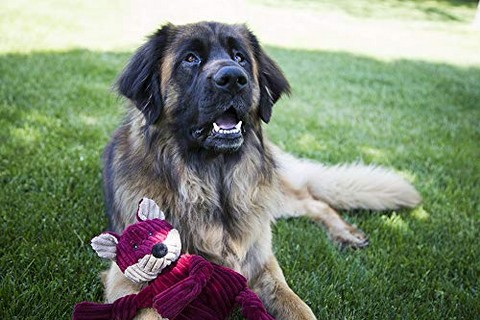
Yes, and we would rather you did. Inspecting a sample on a desk tells you about finish quality. It tells you nothing about whether a dog finds it interesting, which is the only thing that actually determines whether the product sells.
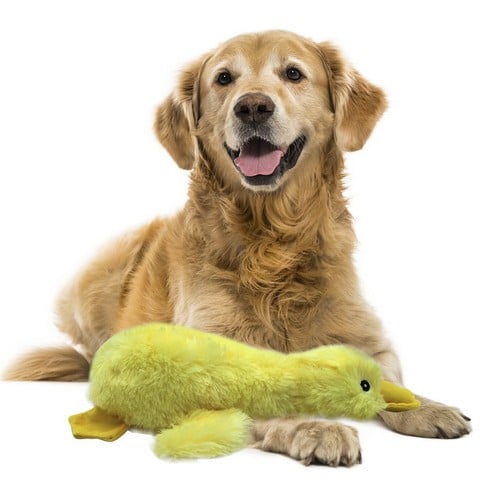
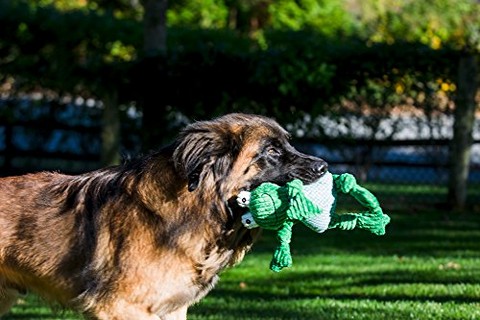
Several of the photographs in our catalog are exactly this, samples being tested by actual dogs across different breeds and sizes. If a design gets ignored, better to find out at sample stage than after the container arrives.
What is your minimum order quantity?
MOQ depends on construction and the number of characters and sizes. Once a base construction is approved, adding another character to the same body pattern carries a lower minimum than developing something new, which is why ranges are more efficient than one off items here.
Tell us the product, the sizes and how many characters you are planning, and we will confirm the exact figure with your quotation.
Do you work with small pet brands and subscription boxes?
Yes. Alongside larger accounts we produce for independent pet brands, online retailers and subscription box companies who need a new design each month.
Subscription work suits our range approach particularly well, since a shared base construction lets you introduce a new character regularly without a full development cycle each time.
What are your payment terms?
We accept bank transfer (T/T) only, structured as a 30 percent deposit with the 70 percent balance paid before shipment.
EXW, FOB, CIF and DAP pricing are all available, so you can choose whichever incoterm fits how your freight is already organised.
Other Plush Toy Categories
If your project fits one of these more specifically, start there.
Tell Us the Dog and We Will Recommend the Construction
Send your design idea, target breed size and retail price point. We reply with a construction recommendation, fabric options, pricing and a lead time we can hold to.
Request a Quote