
Stuffed Animals
CATALOG
Custom Stuffed Animals Made to Your Specification
Animal plush has a problem that character plush does not. With a character you have artwork to match, and success means matching it. With an animal you have no reference to copy, only a species everyone already knows, and the toy has to read as that species instantly while still being something a child wants to hold. A fox with the muzzle two centimetres too short becomes a dog. A bear with the ears set too low becomes a mouse.
We produce stuffed animals across three quite different registers: realistic simulation pieces where anatomy matters, classic teddy bears where tradition and hand feel matter, and cartoon styled animals where appeal matters more than accuracy. Each requires a different approach to pattern making, and the same designers handle all three.
Clients here include toy brands, retailers, zoos and museums, hotels and corporate promotional buyers, charities running awareness campaigns, and importers stocking a general range. Everything is made in our own factory in China to the GB6675, ASTM F963, EN71, CE and REACH standards.
Species reads correctly
Muzzle length, ear placement and body proportion decide whether an animal is recognisable. We work these out on the sample rather than discovering the problem after a thousand units are sewn.
Fur chosen for the animal
Pile length, direction and density are selected per species. A hedgehog and a bunny need completely different fabric even though both are just soft toys on the invoice.
Built to be handled
These are toys that get carried, squeezed and washed. Seam strength is sampled through the run and every unit passes a metal detector before packing.
Stuffed Animals We Have Produced
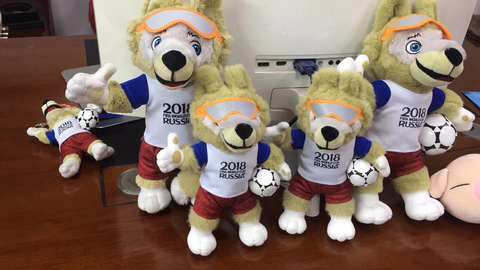
Teddy bears, wildlife, farm animals, sea creatures, birds and promotional pieces from past production runs. Click any image to view it full size.
-
-
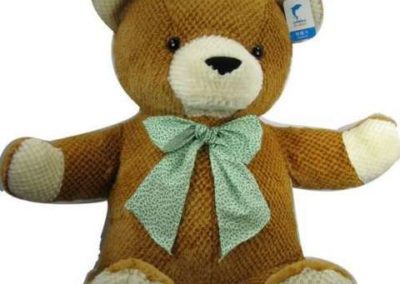 Stuffed Animal Sample 02
-
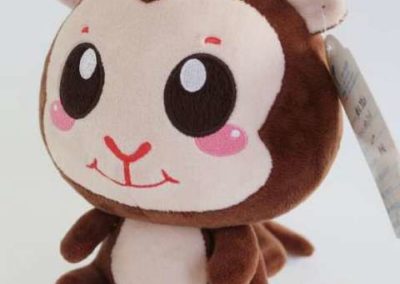 Stuffed Animal Sample 03
-
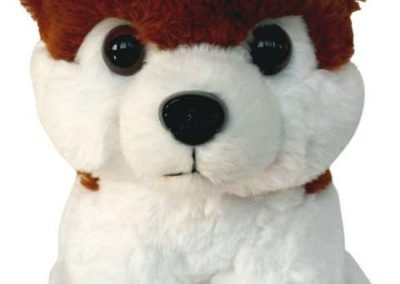 Stuffed Animal Sample 04
-
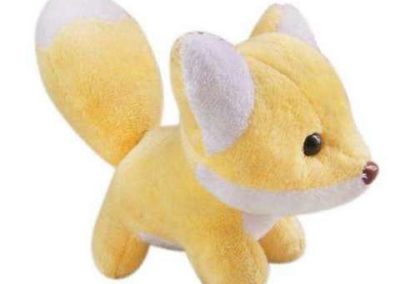 Stuffed Animal Sample 05
-
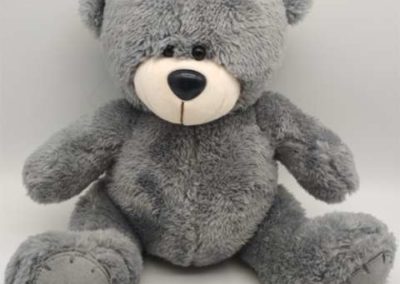 Stuffed Animal Sample 06
-
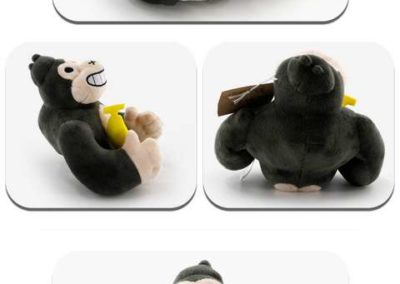 Stuffed Animal Sample 07
-
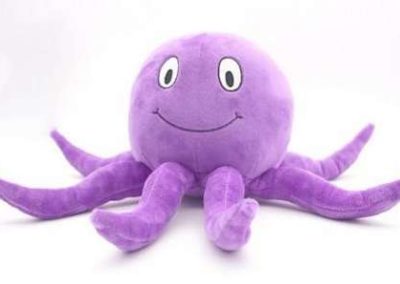 Stuffed Animal Sample 08
-
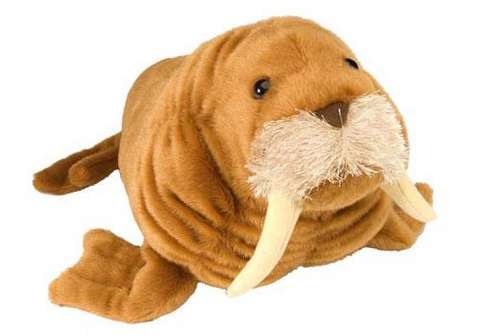
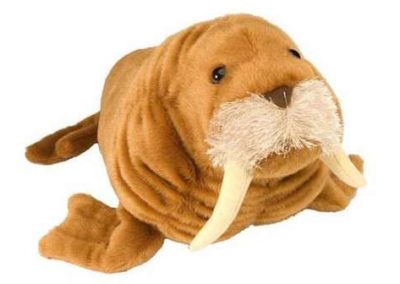 Walrus Plush
-
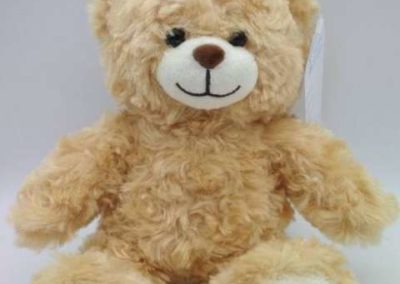 Classic Curly Teddy Bear
-
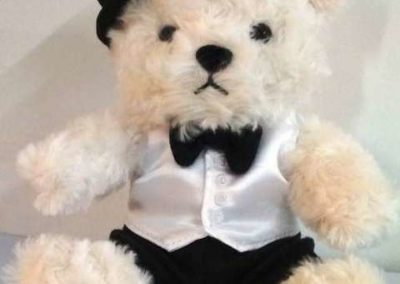 Tuxedo Teddy Bear
-
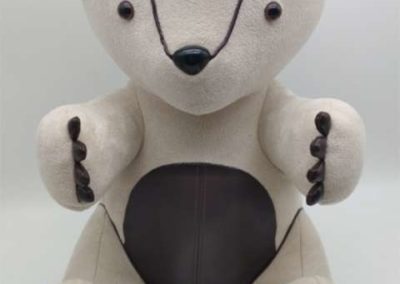 Minimalist Line Face Plush
-
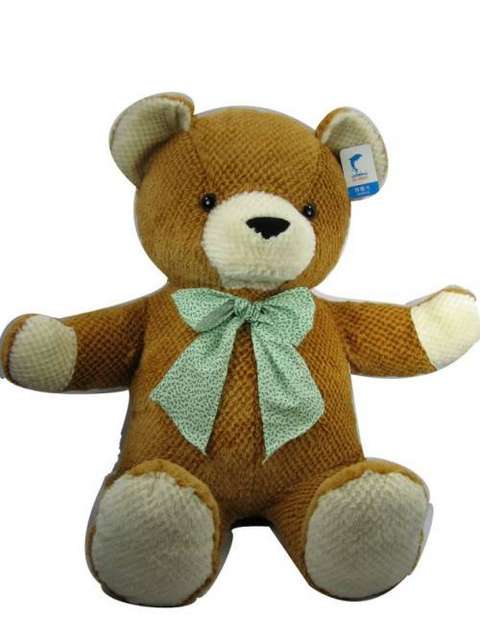
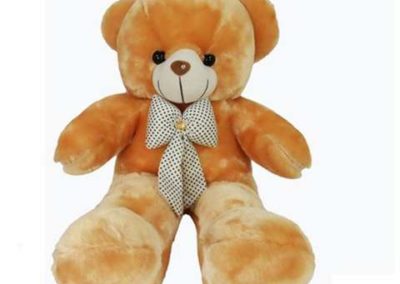 Ribbon Bow Teddy Bear
-
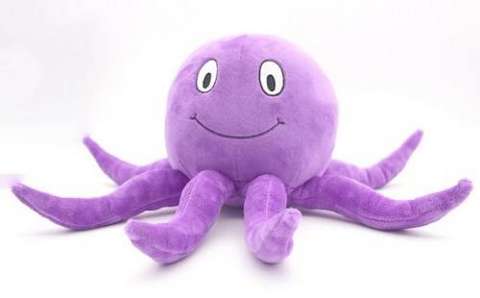
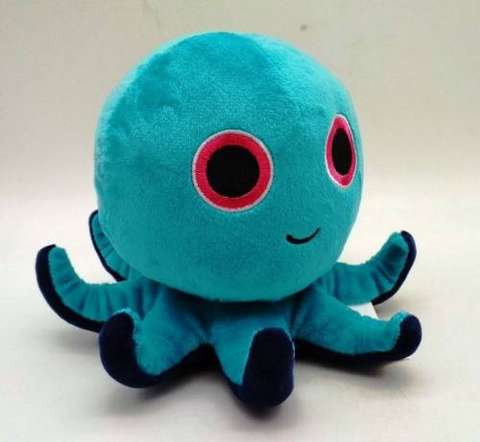
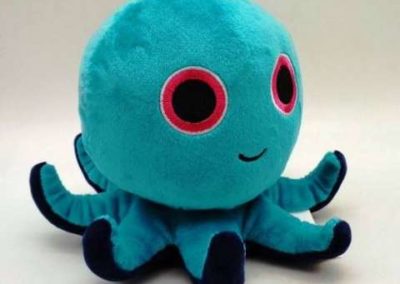 Octopus Sea Creature
-
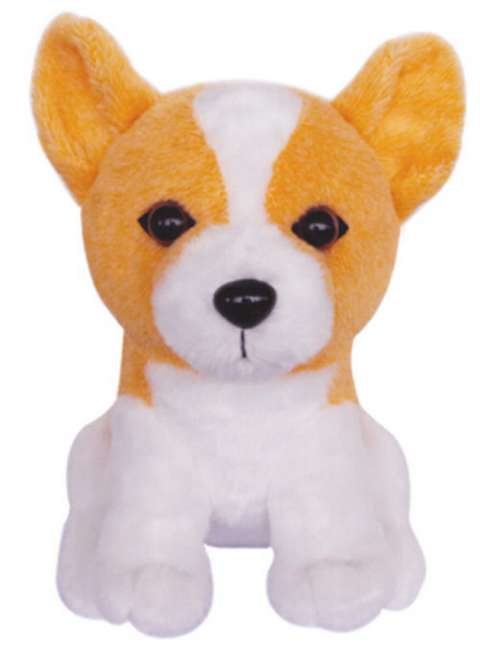
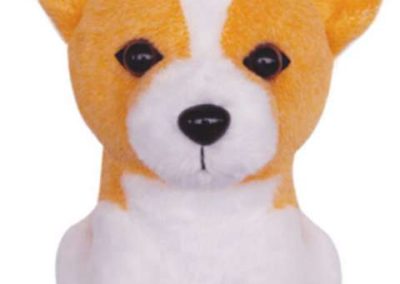 Corgi Dog Plush
-
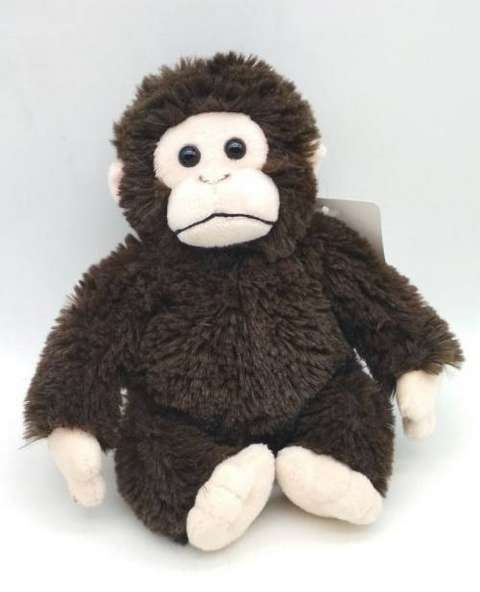
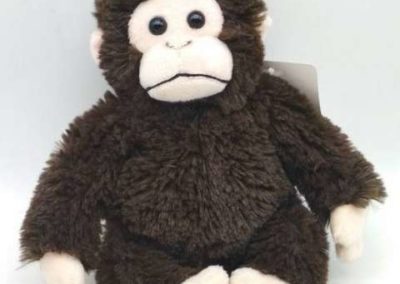 Long Limb Monkey Plush
-
-
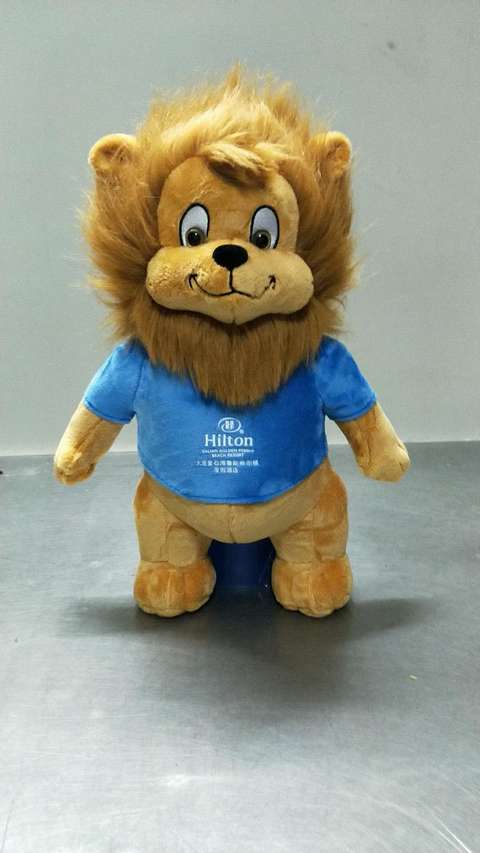
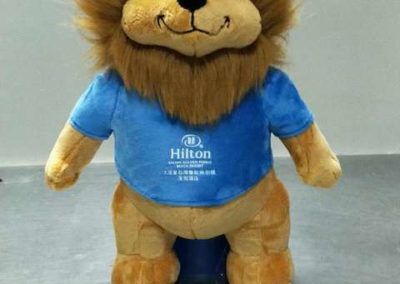 Corporate Branded Lion
-
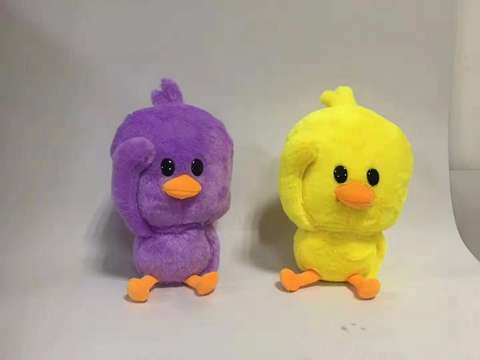
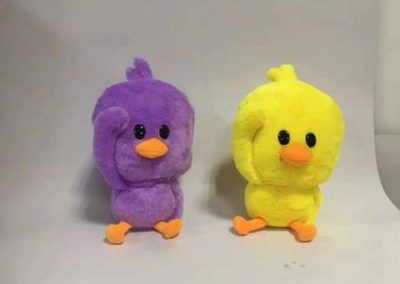 Chick Colourway Pair
-
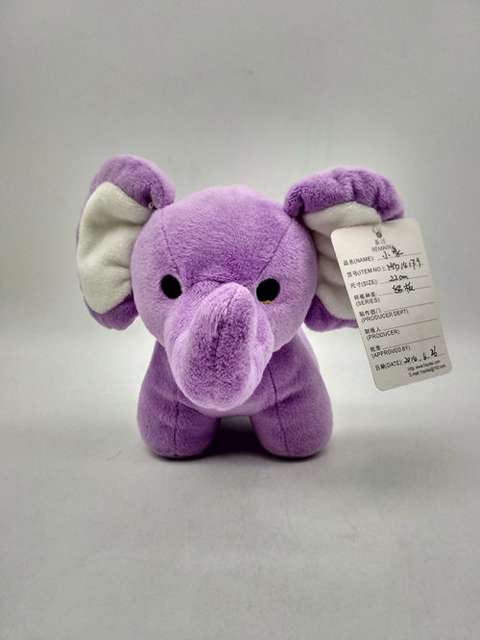
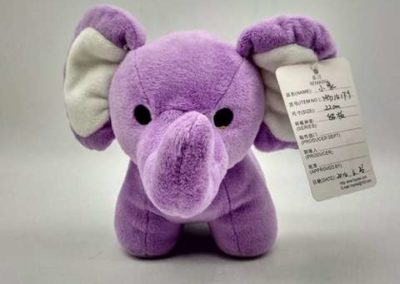 Elephant With Hangtag
-
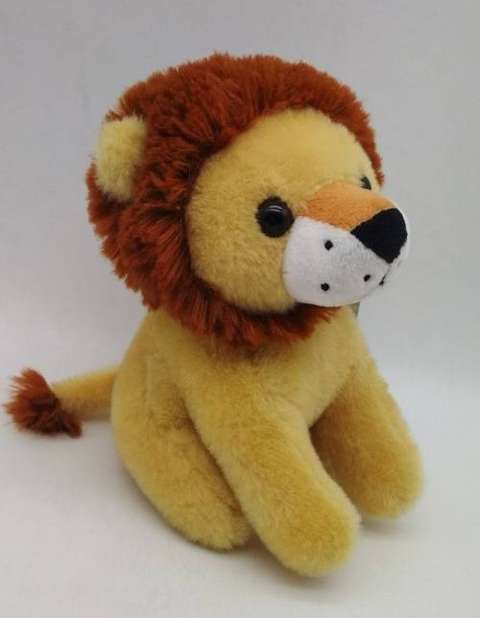
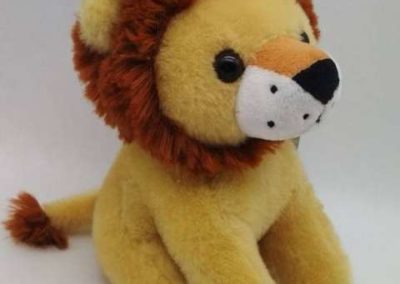 Layered Mane Lion
-
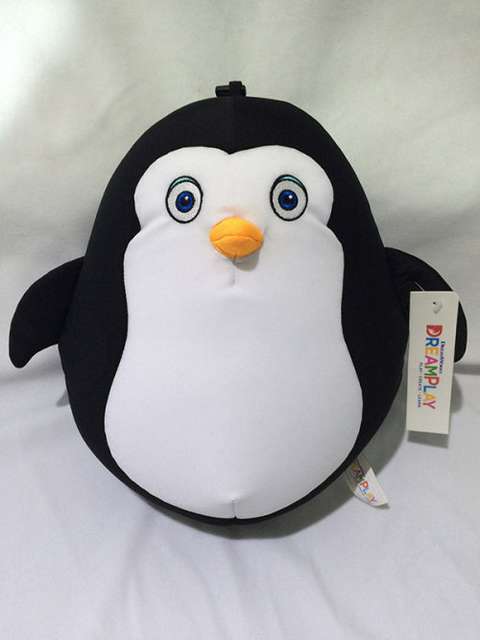
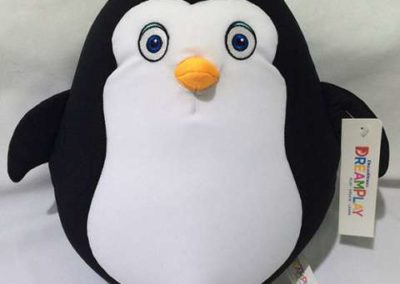 Squishy Penguin
-
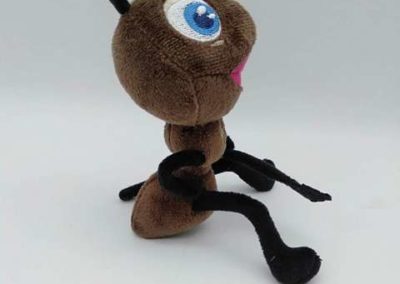 Insect Plush With Bendable Legs
-
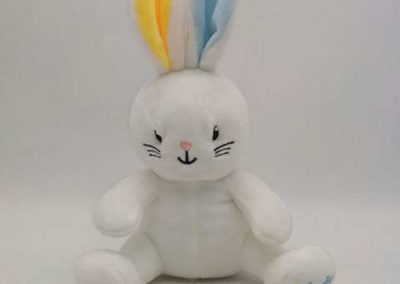 Rainbow Ear Rabbit
-
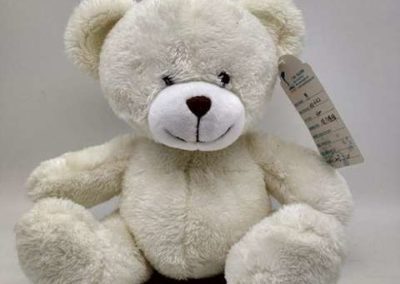 Cream Teddy Bear
-
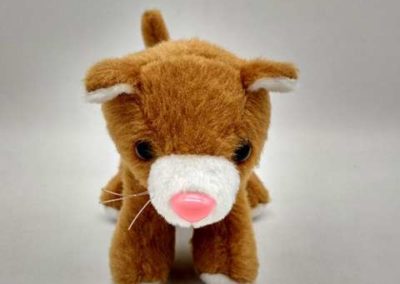 Standing Cat Plush
-
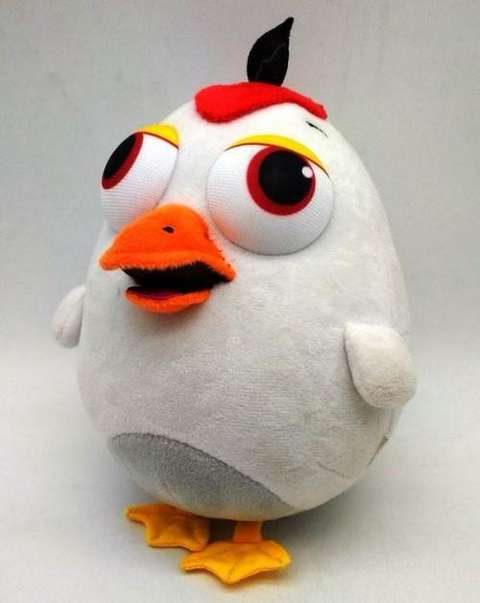
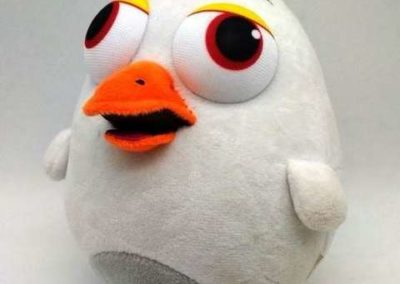 Cartoon Bird Plush
-
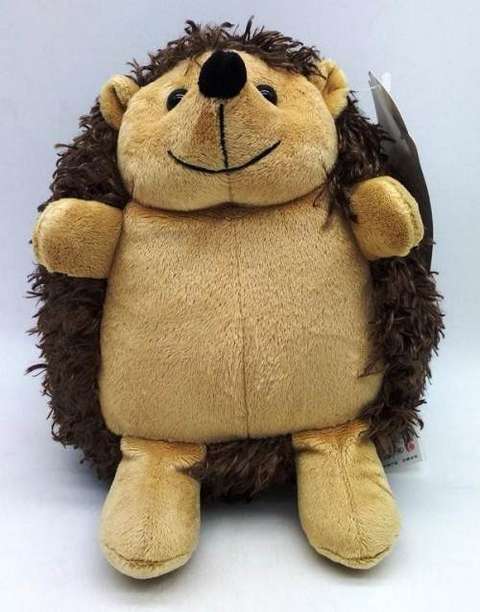
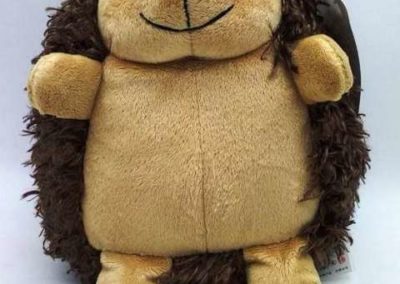 Textured Hedgehog
-
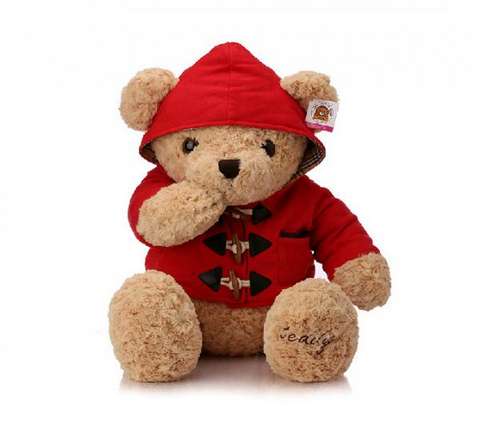
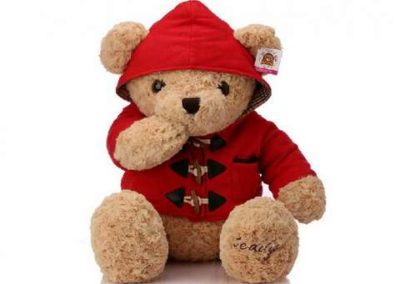 Hooded Jacket Teddy Bear
-
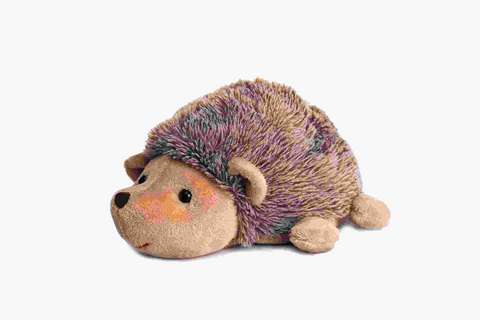
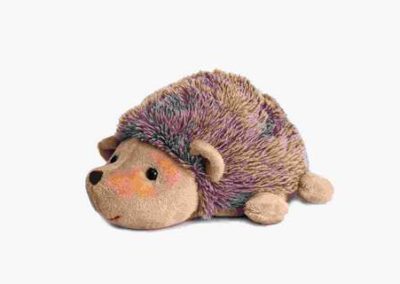 Multicolour Hedgehog
-
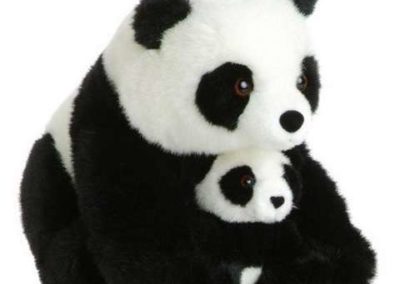 Panda Mother and Baby Set
-
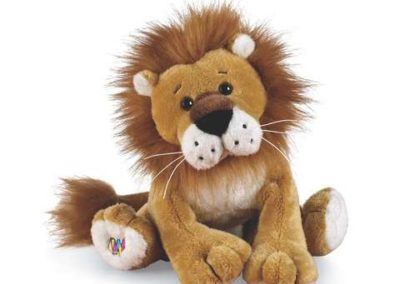 Logo Paw Lion
-
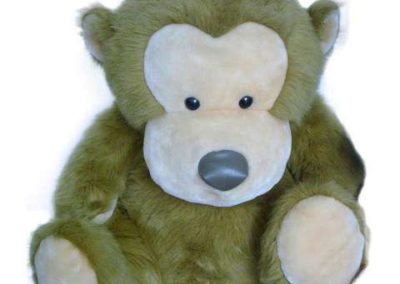 Custom Colourway Monkey
-
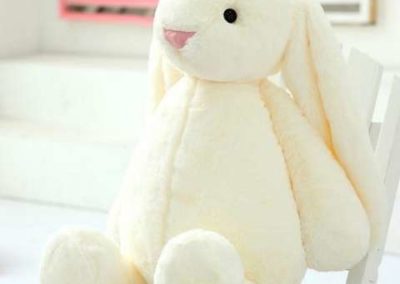 Floppy Ear Bunny
-
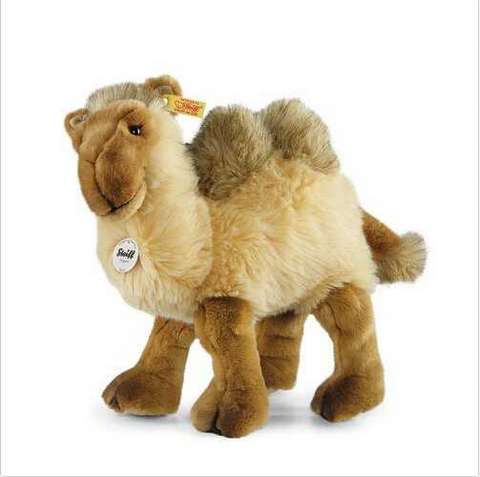
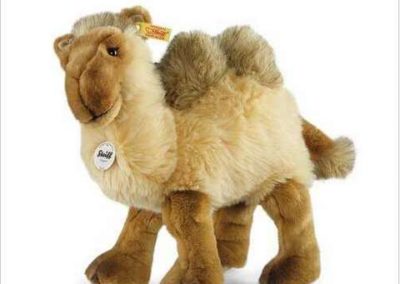 Realistic Camel Simulation
-
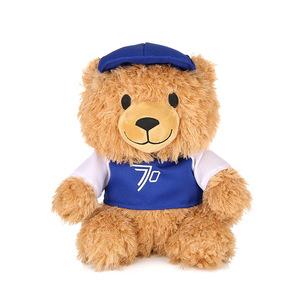
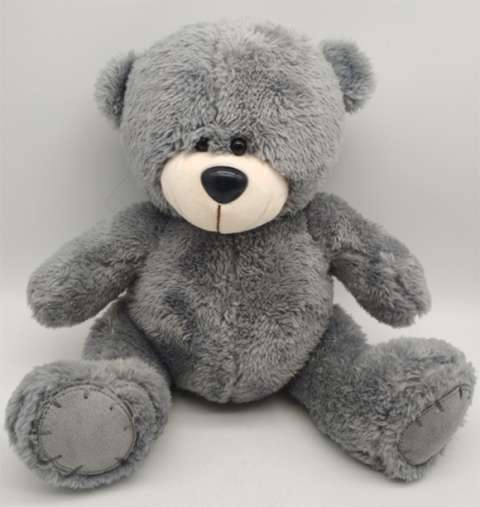
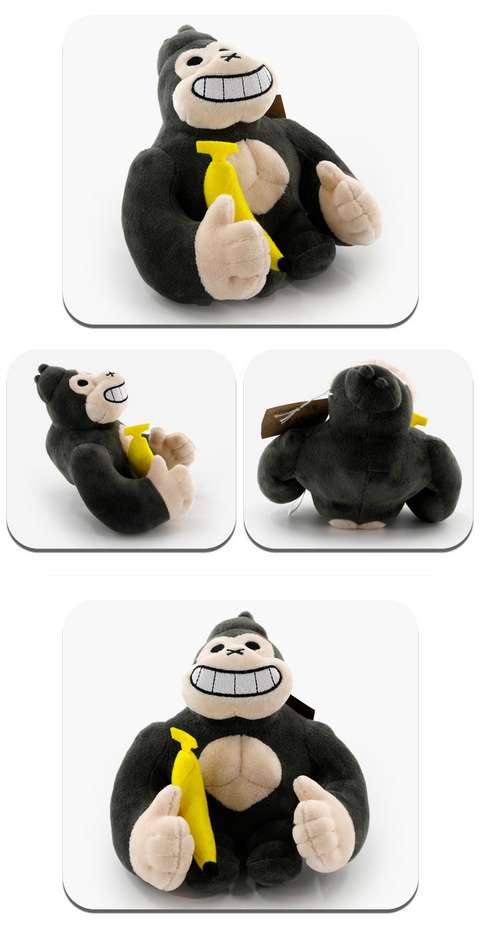
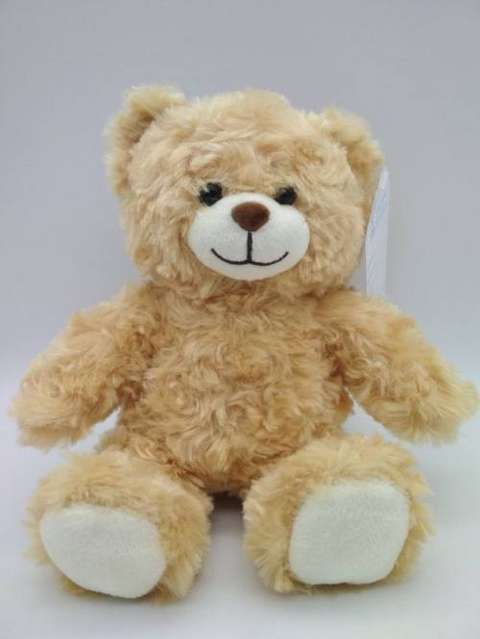
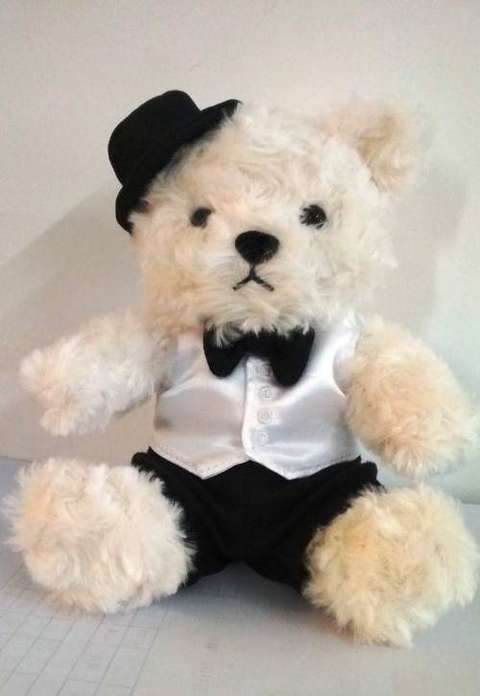
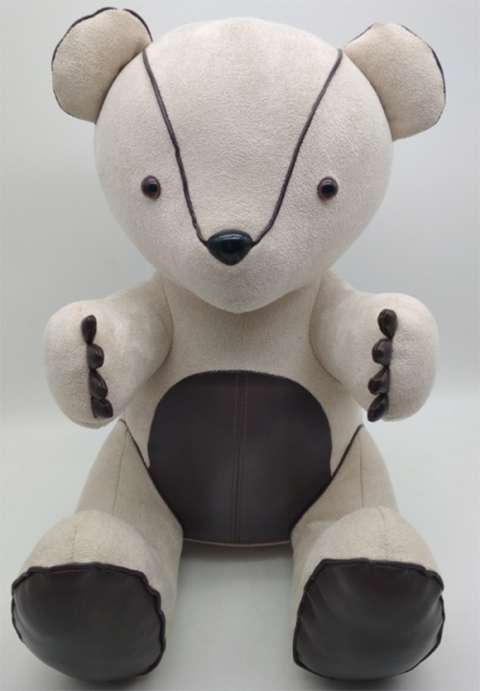
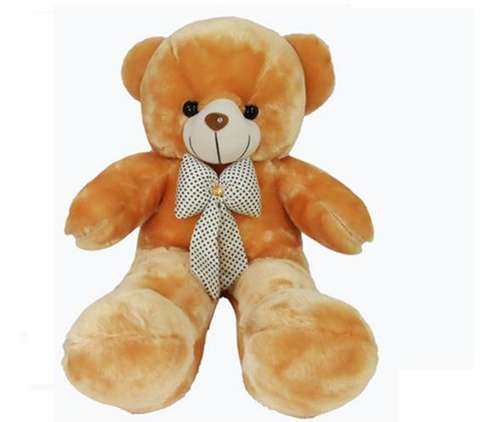
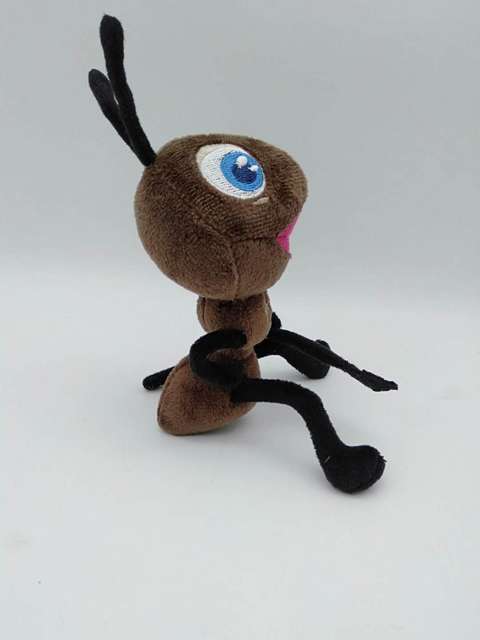
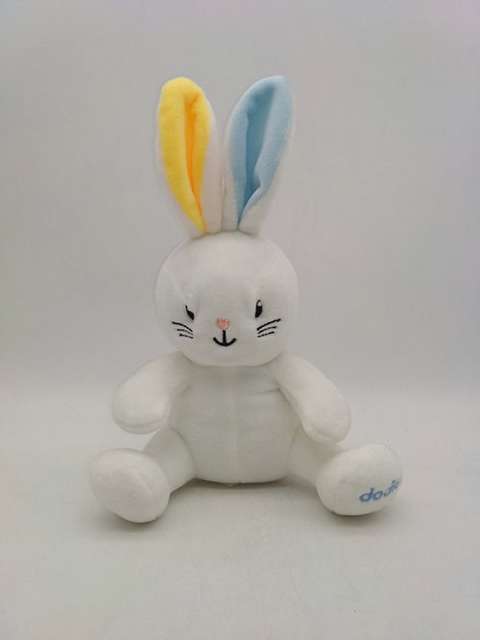
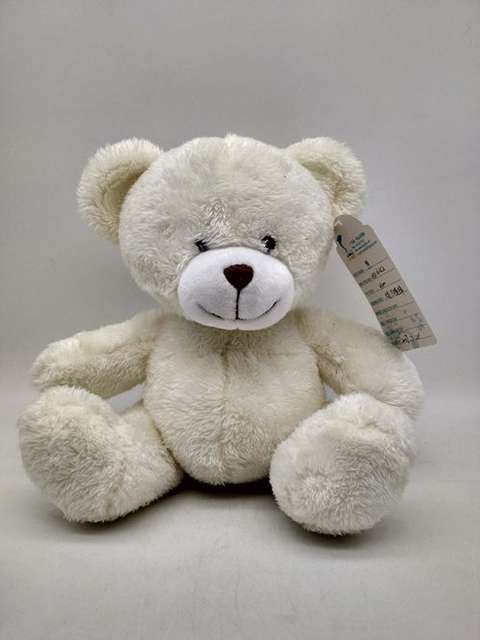
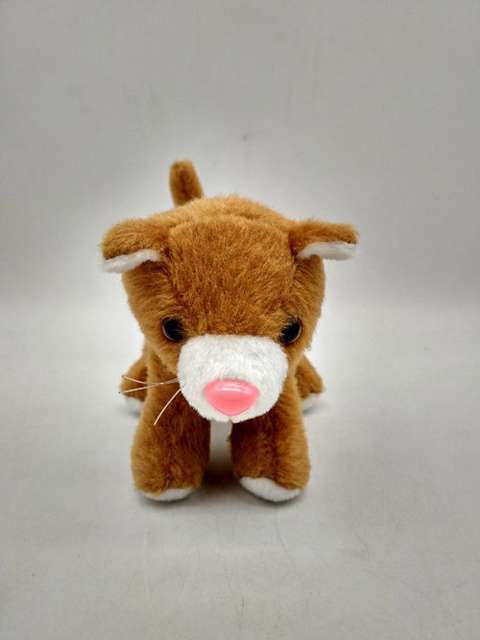
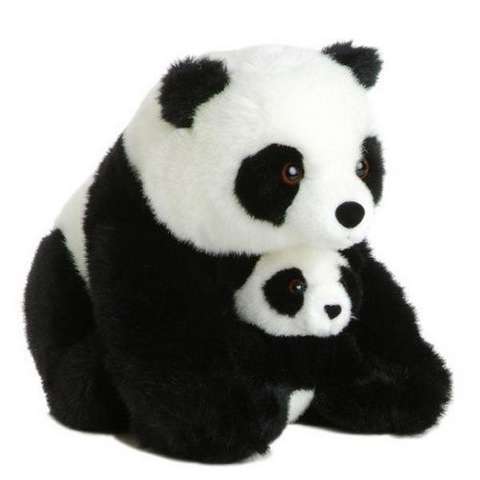
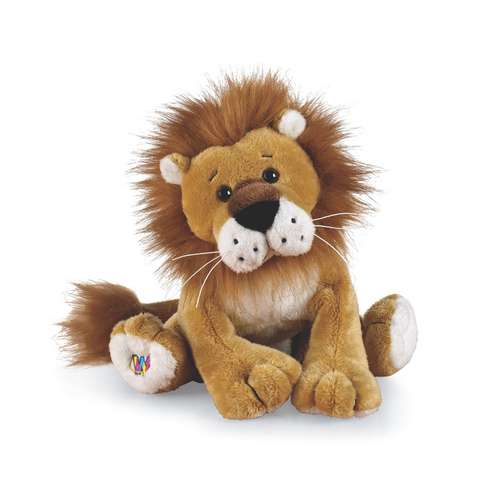
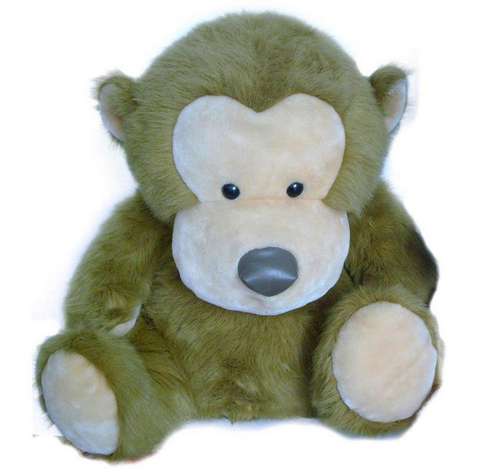
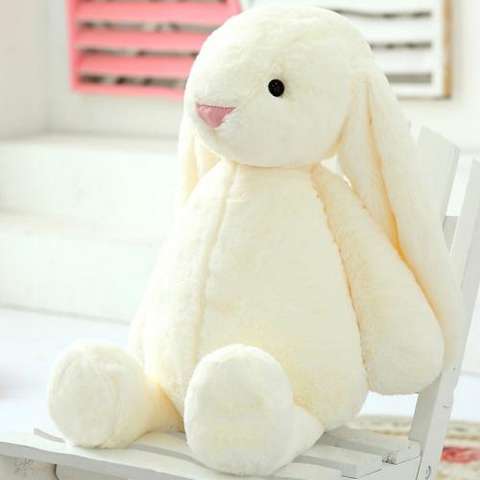
Five Styles of Stuffed Animal We Produce
Choosing the style is the first decision, and it changes cost, lead time and who the toy appeals to more than any other choice you make.
Realistic Simulation Animals
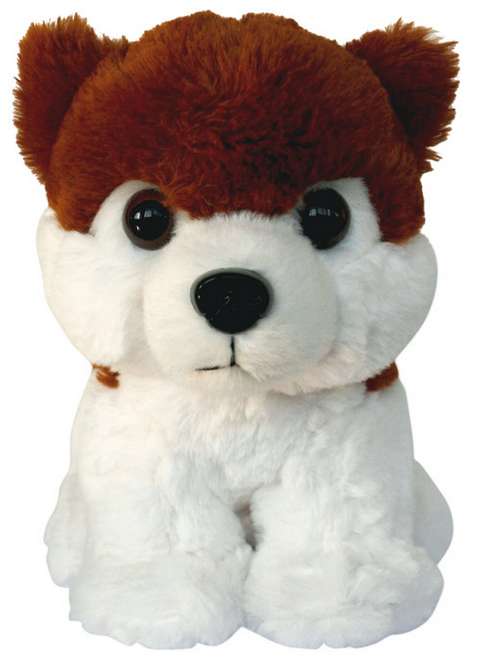
Anatomically accurate wildlife and farm animals with layered fur, shaped legs and correct proportion. Popular with zoos, museums, nature brands and collectors. The most demanding style to pattern and the most expensive to produce.
Classic Teddy Bears
Traditional bears in curly or short pile, with stitched noses, ribbon finishing and optional outfits. Judged on hand feel and expression rather than accuracy, which makes fabric selection the critical decision.
Cartoon and Kawaii Animals
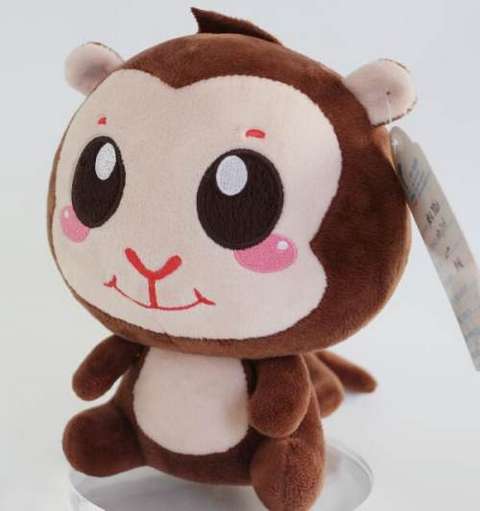
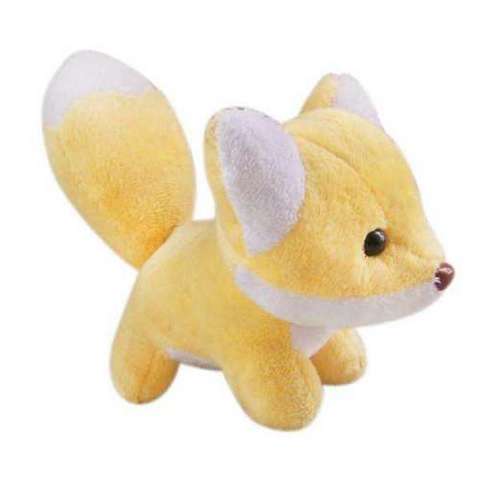
Simplified shapes, oversized eyes, rounded bodies. Cheaper to produce than realistic work because the pattern is simpler, and usually the stronger seller in general retail and claw machine channels.
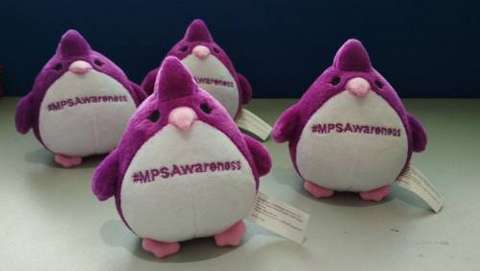
Promotional and Awareness Plush
Animals carrying a logo, a campaign message or a branded outfit. Produced for hotels, corporates, charities and event programmes. Volumes are usually higher and the deadline usually fixed.
Sets, Families and Ranges
Mother and baby pairs, colourway sets and multi species ranges sharing a construction method. Sets outperform single items in gift retail because they create a reason to buy more than one.
How a Custom Stuffed Animal Is Developed
Six stages. Stage two is the one most clients skip and most regret skipping.
Send your brief
A drawing, a photograph of a real animal, a competitor product or just a description. Tell us the species, the intended size and the market it is for.
Agree the style
Realistic, classic or cartoon. This decision drives the pattern, the fabric and the price, and changing it after sampling means starting again rather than adjusting.
Fabric selection
Pile length and direction are matched to the species. A hedgehog needs a textured back and a soft belly, a bunny needs uniform short pile, a lion needs three pile lengths in one animal.
Pattern and sample
Muzzle, ears and limb proportion are worked out physically rather than on screen. Sample delivered within 7 working days once sample and shipping payment is received.
Mass production
Production runs against the approved sample. Seam strength is sampled through the run, and every finished unit passes a metal detector before packing.
Labelling and dispatch
Hangtags, care labels, barcodes and safety warning polybags applied to your market's requirements, then photographed for approval before shipment.
Stuffed Animal Specifications
Standard options for stuffed animal production. Anything outside these ranges is usually still possible, so ask rather than assume.
| Item | Options Available |
|---|---|
| Style | Realistic simulation, classic teddy, cartoon and kawaii, promotional |
| Species | Bears, wildlife, farm animals, sea creatures, birds, insects, dinosaurs, pets |
| Size range | From keychain size up to life size display pieces |
| Fabric | Short pile, long pile fur, curly pile, velboa, minky, textured and blended pile |
| Filling | Graded PP cotton. Weighted, beaded and hypoallergenic options available |
| Detailing | Embroidered features, appliqué, stitched noses, applied whiskers, bendable limbs |
| Branding | Printed or embroidered logos, branded outfits, printed paw pads, custom hangtags |
| Sample lead time | 7 working days after sample and shipping payment is received |
| Production lead time | Around 30 working days after sample approval and deposit payment |
| Certification | GB6675, ASTM F963, EN71, CE, REACH. Third party lab testing on request |
| Payment terms | T/T only. 30 percent deposit, 70 percent balance before shipment |
Stuffed Animal Questions
Questions specific to animal plush production. For general manufacturing questions, see the FAQ on our homepage.
Should I choose a realistic or a cartoon style?
It depends entirely on who buys it. Realistic simulation sells well to zoos, museums, nature brands and adult collectors, where accuracy is the point. Cartoon and kawaii styles sell better in general retail, gift shops and claw machines, where appeal beats accuracy.
There is also a cost difference worth knowing before you decide. A realistic animal needs more pattern pieces, more fabric types and more hand finishing, which can put it well above a cartoon version of the same species. If your channel is price sensitive, the cartoon route usually makes more commercial sense even if the realistic sample looks more impressive.
Can you make a plush from a photo of a real animal?
Yes, and photographs are often better references than drawings for this category, because they show fur direction and proportion accurately.
Send several angles if you can, particularly the head from the front and the side. The muzzle and the ear placement do more to make an animal recognisable than any other detail, and a single three quarter photo leaves both of them open to interpretation.
How do you make sure the animal is recognisable?
Proportion first, then fabric. Species recognition is mostly carried by muzzle length, ear shape and where the eyes sit relative to them. Get those wrong and no amount of accurate colouring will fix it.
We work these out physically on the sample rather than on screen, because a curved stuffed surface behaves differently from a flat drawing. If a first sample reads as the wrong animal, that is normally a proportion issue rather than a colour issue, and it is fixable at sample stage.
What fabric works best for different animals?
It varies more than most buyers expect. A rabbit wants uniform short pile. A lion needs at least two and often three pile lengths in a single animal to separate the mane from the body. A hedgehog needs a textured back fabric against a soft belly. A camel needs directional fur that lies differently on the humps than on the legs.
Tell us the species and we will recommend the fabric combination rather than defaulting to whatever is in stock.
Can you add clothing, accessories or a logo?
Yes. Branded t-shirts, hoodies, caps, scarves and ribbons are all produced as separate garments, and logos can be embroidered, printed or applied to a paw pad or chest panel.
For promotional programmes, dressing an animal is usually cheaper than customising the animal itself. The same base bear with a branded outfit works across multiple clients, which keeps unit cost down considerably compared with a bespoke shape.
Do you produce promotional and awareness campaign plush?
Regularly. Hotels, corporates, charities and event organisers all order here, whether that is a mascot animal in a branded shirt or a run carrying a campaign message.
Campaign work almost always has a fixed date attached. Tell us the date before we quote rather than after, and we will schedule backwards from it including the sample round.
Can you produce animal families or matched sets?
Yes. Mother and baby pairs, size ladders of the same animal and multi species ranges sharing a construction method are all common.
Sets tend to outperform single items in gift retail because they give a customer a reason to buy more than one. Produce the whole set in one run where possible, since fabric dye lots vary slightly between orders and it shows when pieces sit together.
What safety requirements apply to stuffed animals?
All our production meets the GB6675 Chinese national standard. Goods entering the United States are checked against ASTM F963, and goods entering the European Union against EN71 and REACH with CE marking applied.
Two details matter more in this category than elsewhere. Small parts such as plastic eyes and noses have to pass pull testing for the intended age group, which is why we embroider features on toys aimed at younger children. And every unit passes a metal detector, since a broken needle fragment in a soft toy is the most common cause of recall in this industry.
What sizes can you produce?
From keychain size up to life size display pieces. Most retail stuffed animals sit between 20 and 40 cm.
If you want the same animal in several sizes, tell us at the design stage. Small sizes usually need the pattern redrawn rather than scaled down, since detail that works at 40 cm becomes muddy at 15 cm.
What is your minimum order quantity?
MOQ depends on the style and the number of variants. A cartoon animal in one colourway carries a lower minimum than a realistic simulation piece with multiple fabric types, because each variant needs its own pattern set and material run.
Tell us the species, the style, the size and your rough volume, and we will confirm the exact figure with your quotation.
Do you work with small brands and first time buyers?
Yes. Alongside larger accounts we regularly produce for small gift brands, independent retailers and businesses ordering plush for the first time.
You do not need a tech pack or a design team. Send a photo or a sketch, tell us your realistic budget and volume, and we will tell you honestly what is achievable at that level rather than quoting something you cannot use.
What are your payment terms?
We accept bank transfer (T/T) only, structured as a 30 percent deposit with the 70 percent balance paid before shipment.
EXW, FOB, CIF and DAP pricing are all available, so you can choose whichever incoterm fits how your freight is already organised.
Other Plush Toy Categories
If your project fits one of these more specifically, start there.
Tell Us the Animal and We Will Come Back With a Quote
Send a photo, a sketch or just a description. We reply with a recommended style, fabric options, pricing and a lead time we can hold to.
Request a Quote